The full story
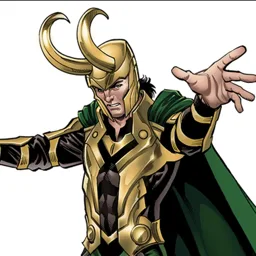
Loki Season 2 begins with Loki attempting to repair the fracturing timeline created at the end of Season 1. Reality itself is fragmenting. Infinite timelines are spawning chaotically. Loki is tasked with repairing the Sacred Timeline before everything collapses into chaos.
But as Loki investigates, he discovers that the Sacred Timeline was never sacred. It was a construct imposed by the Time Keepers to eliminate free will and establish totalitarian control over all of reality. Fixing the timeline means perpetuating that control. Allowing the timeline to fracture means allowing genuine free will and genuine consequences to exist in infinite variations. The choice is between order maintained through oppression or chaos maintained through freedom.
Loki's character arc moves from wanting to rule to understanding that real power is not about conquest. It is about sacrifice and service. He has learned that genuine agency matters more than any form of dominance, and now he must decide what to do with the actual power to reshape reality.
The season introduces new variants of Loki: versions of him who made different choices and became different people. Some are cruel. Some are kind. Some are competent. Some are failures. Loki's encounter with these variants is his encounter with his own potential futures and unlived lives. He realizes that he is one possible expression of who he could be, and all expressions have validity.
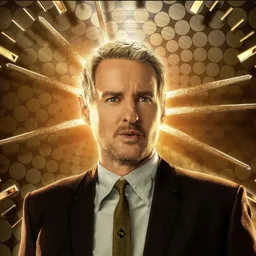
Mobius, the TVA agent who has become Loki's ally, faces his own question about complicity. He has been part of a system that eliminates free will. Knowing this, does he continue to maintain the system or does he rebel? His choice aligns with Loki's. Together they work toward the same goal: breaking the system rather than maintaining it.
The season climaxes when Loki actually gains the power to reshape all of time and reality. He could use this power to become a god—to impose his will across infinite timelines, to shape reality according to his desires. This is what he once wanted. Now, faced with actual power to do this, he chooses differently. He chooses not to reshape reality. He chooses to accept that infinite timelines will continue chaotically, that free will in infinite variations is more valuable than order maintained through control.
This is the complete inversion of Loki's character arc. The man who wanted to rule chooses not to rule when he actually has power to rule all of reality. This is not weakness. It is the truest expression of his growth.
Loki Season 2 ends with Loki as the god of stories, maintaining multiple timelines in their chaotic state, ensuring that infinite variations continue to exist. He has accepted a kind of responsibility—not domination, but stewardship. He serves the chaos rather than conquering it. The series ends with Loki in genuine sacrifice, having given up the power he pursued most of his life.