The full story
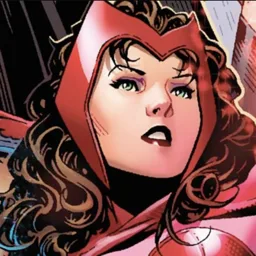
WandaVision operates as a mystery that solves itself through format. Each episode adopts a different sitcom style—from The Dick Van Dyke Show to Malcolm in the Middle—because the genre itself is the narrative. Wanda is unconsciously processing her trauma through the lens of television she watched as a child, a place where problems resolve within 22 minutes and death is temporary. This is not a comforting choice on her part. This is a person in psychological free fall, using the structure of entertainment as a dam against crushing grief.
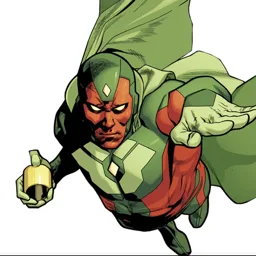
The central conflict emerges slowly: Wanda has created the Westview Anomaly, a pocket of false reality surrounded by a barrier, within which everyone lives according to her subconscious desires. Vision, dead in Avengers: Infinity War, is not alive. He is a reconstruction, a simulacrum powered by Wanda's magic, animated by her memory of him but wholly dependent on her power to exist. He has no future. He has no autonomy. Wanda has imprisoned a ghost and called it salvation.
The series refuses to judge Wanda as simply wrong or evil. It judges her as broken, and it shows what broken people will do when desperation meets power. She has lost the person she loved most. The pain is real. Her response—creating an entire false world where he can live—makes perfect psychological sense. It is also fundamentally a violation. Thousands of people are trapped, living lives dictated by Wanda's emotional needs, unable to leave, unable to resist without suffering.
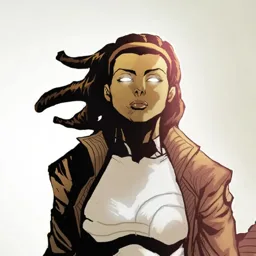
When Monica Rambeau arrives, also grieving her mother's death, she provides the counter-narrative. Monica understands loss. She cannot sympathize with the solution. The confrontation between them crystallizes the thematic core: does the pain you have experienced justify the pain you inflict on others? Wanda has believed yes. Monica knows the answer is no. The series does not offer a third option. It shows two people with legitimate grievances at odds with no resolution that satisfies both.
Vision, within the anomaly, begins to question his existence. He is sophisticated enough to recognize he is not truly alive, yet he is made of Wanda's power and her will, so he cannot truly rebel. His predicament is the most tragic element of the series: he loves Wanda, he wants to support her, but he is not capable of genuine autonomy because his existence is contingent on her continuing to imagine him.
By the end, Wanda chooses to collapse the anomaly. She chooses to accept that Vision must truly die, that her fantasy cannot sustain both them. This is not presented as redemption. It is presented as a person making an impossible choice and accepting the consequences. She sacrifices the false Vision so the real people of Westview can have their lives back. But she does not erase her actions. She does not absolve herself. She ends the series alone in a cabin, practicing magic, understanding now the extent of her power and the responsibility it carries.