


The full story
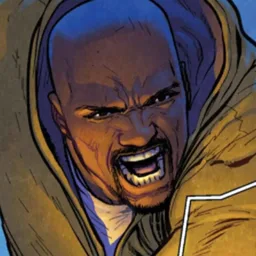
Luke Cage Season 1 introduces a man with power who refuses to exploit it. Luke has been to prison, is attempting to live quietly, and wants nothing to do with the larger world of powered individuals. But he is also a man who cannot stand by when people near him are threatened.
The season treats Harlem as a character—a neighborhood with its own identity, its own history, and its own resilience. Luke's power matters less than his commitment to this place. He is not fighting to become famous or recognized. He is fighting to protect the community that has adopted him.
Cornell Stokes, also known as Cottonmouth, is the primary antagonist. Stokes operates as a crime boss, controlling criminal enterprises and using violence to maintain power. But Stokes is also a man who has built his power from nothing, who has relationships in the community, and whose moral worldview is not entirely foreign to those around him.
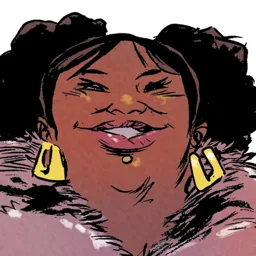
The season explores different models of power. Stokes pursues dominance through force and fear. Mariah Dillard pursues legitimacy through political and financial integration into mainstream institutions. Luke pursues protection through community engagement. These approaches represent fundamentally different relationships to power.
The Hand appears at the edges of this season, suggesting that the problems in Harlem are part of larger patterns. The season hints that individual communities are not isolated, that threats extend beyond local criminals, and that the systemic problems creating crime are not solvable through individual action.
By the season's end, Luke has been elevated to the status of a community protector whether he wanted it or not. People know they can come to him. This creates new problems—people expecting things he cannot deliver, people using him for their own purposes, people placing hopes on him that he cannot fulfill. Luke has not become a hero. He has become a symbol, which brings its own burden.