
The full story
Ironheart begins with Riri Williams returning home to Chicago after building her armor in Wakanda and fighting alongside Shuri in Black Panther: Wakanda Forever. She's an MIT student, a genius inventor, and the creator of a suit that rivals Tony Stark's Iron Man armor. But being a hero in Wakanda is different from being a hero in your own neighborhood, where your choices have consequences for the people you love.
Chicago is not a place waiting for a savior. It's a city with systems of power—gangs, corrupt officials, corporate interests—that have been in place long before Riri arrived with her high-tech suit. When she tries to help, she discovers that technology cannot solve problems rooted in poverty, systemic racism, and institutional failure. The armor makes her powerful. It does not make her effective.
Parker Robbins is a small-time criminal who discovers a mystical crimson hood and cloak that grant him supernatural abilities—teleportation, enhanced strength, and demonic power. He's not a supervillain with grand ambitions. He's a man struggling to provide for his family, and the Hood gives him the power to do that. His villainy is circumstantial, born from desperation rather than malice.
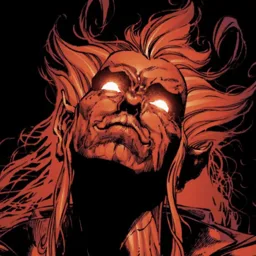
The Hood's power comes from Mephisto, a demonic entity who offers people what they desperately want in exchange for a price they don't understand until it's too late. Parker made a deal without knowing the cost. Now he's bound to the Hood's corruption, and the longer he wears it, the more it consumes him.
Riri's journey through the series is about learning that being a hero in your community means understanding that community—its history, its power structures, its people. She teams up with her childhood friend Natalie, reconnects with her stepfather, and navigates relationships with people who knew her before she was Ironheart. They remind her that the suit doesn't define her.
The series builds toward a confrontation with Zeke Stane, a tech-based villain whose father was an Iron Man adversary. Stane represents corporate villainy—someone using technology for profit and power without concern for collateral damage. Riri defeats him, but the victory feels hollow because defeating individual villains doesn't fix systemic problems.
The real climax comes when Riri faces Parker. She defeats him in an explosive battle, tearing the Hood from him and seemingly ending the threat. But then Mephisto appears—revealed in the finale as the demonic source of the Hood's power, played by Sacha Baron Cohen in a chilling performance that establishes him as the MCU's next major villain.
Mephisto offers Riri the same deal he gave Parker: anything she wants, for a price she won't even miss. Riri knows it's a trap. She knows Mephisto is manipulation incarnate. But he offers her the one thing she cannot resist—Natalie, who died during the series. Not a replacement, not a copy. The real Natalie, alive and whole, returned from death.
Riri accepts the deal.
The series ends with Riri embracing Natalie, joy and relief flooding through her—but dark, veiny scars appear on Riri's arms as she holds her friend. The price has begun. Mephisto has claimed another soul, and Riri has traded something fundamental for a life she couldn't bear to lose. The post-credits scene shows Parker seeking magical help, setting up future conflicts.
Ironheart is about the limits of technology as a solution to human problems, and the devastating choices people make when they're desperate. Riri is brilliant, powerful, and capable—but none of that protected her from grief, and grief made her vulnerable to a devil's bargain. The series asks whether any price is too high to save someone you love, and Riri's answer—delivered in a moment of pain and hope—is no. She will pay whatever it costs, even if it damns her.
The six-episode series serves as the final installment of Phase 5, setting up Mephisto as a major threat for Phase 6 and planting seeds for Doctor Doom's arrival and the coming multiversal conflicts.