

The full story
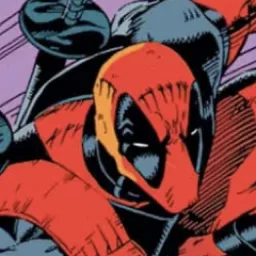
Deadpool 2 asks whether a broken person can build something whole. It is a film about found family, about choosing to care when isolation is simpler, and about the difference between strength and invulnerability.
The film begins with Deadpool in a moment of true vulnerability. Vanessa is dead, killed in an act of random violence that Deadpool cannot predict or prevent. For the first time in his life, Deadpool's humor fails him. His sarcasm cannot deflect grief. His weapons cannot kill the thing that has destroyed him. He attempts suicide, but his healing factor will not allow him to die. He is trapped between agony and immortality.
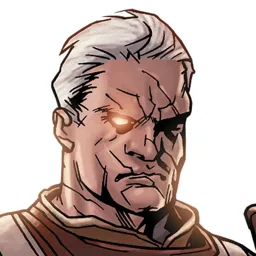
Into this despair arrives Cable, a man from the future armed with technology and conviction. Cable has come back to prevent a catastrophe—to kill a young mutant who, in his timeline, becomes responsible for genocide. From Cable's perspective, this is simple necessity. The boy must die to save millions. This is utilitarian logic carried to its extreme conclusion.
The film positions Deadpool against Cable over a question of fundamental morality: Is it just to kill an innocent person to prevent a potential future harm? Cable believes yes. Deadpool believes the act of murder in the present creates the very future they want to prevent. They are both right, which is precisely why their conflict cannot be resolved through violence. Cable is responding rationally to horror. Deadpool is responding to the recognition that rationality applied without compassion becomes monstrosity.
Deadpool assembles a team—a collection of people who are, like him, broken, damaged, and unsuited for conventional heroism. One has depression. One is overweight. One is old. They are not an aspirational team. They are a team of people who show up because they choose to, not because they are special or chosen. The film celebrates their ordinariness. Heroism, it suggests, is not the province of the powerful. It belongs to anyone willing to care about someone else.
The film's emotional core is Deadpool's decision to adopt the young mutant, Russell. Russell is a boy in pain, angry at the world that has hurt him. Deadpool recognizes himself in Russell—not because they are similar in power or ability, but because they are similar in wounds. Deadpool chooses to be the person he needed when he was broken. He chooses to offer Russell a family.
This is where Deadpool's arc completes. In the first film, he was a killer seeking revenge. In the second, he becomes someone willing to die for another person. The film does not present this as growth achieved through learning. It presents it as transformation through love. Deadpool does not become a better person. He becomes a person who loves someone more than he loves himself, and that love redefines what he is willing to do.
Cable comes to understand that the future he came to prevent is not inevitable. Russell can choose a different path. The presence of someone who cares about him makes that choice possible. Cable decides that killing Russell is not necessary, that the future can be altered through connection rather than death. This is where the film's ultimate wisdom emerges: that violence is not the only language available to us, and that sometimes the greatest strength is the decision to care.
What remains is a found family, fractured and imperfect but whole. Deadpool, Russell, Dopinder, and the old man are not a team of heroes. They are a collection of damaged people who have chosen each other. The threat remains—the world is still cruel, still dangerous. But within this specific family, there is safety. There is the knowledge that someone cares whether you live or die. In the film's logic, this is more powerful than any weapon or ability. This is what transforms a killer into something human.